












There's always that one pair of shoes you grab without a second thought. Not because they're the prettiest pair in your closet, but because they simply work, whether your day involves busy meetings, a rainy walk, or dinner with friends afterward. That's the feeling good women's shoes should give you: the confidence that they'll carry you through the day, no matter what it holds.

At Stilkompagniet, we believe that the best women's shoes are rarely those that only suit one season or one single outfit. They are the pairs that handle an 8 AM workday, still look sharp for dinner in the evening, and don't punish your feet along the way. We curate women's shoes with the rest of our women's clothing, bags, jewelry, and beauty products, as well as selected preloved luxury items, so your entire look can be built in one place instead of having to hunt for pieces across ten different shops.
What makes a pair of women's shoes versatile for all seasons?

The women's shoes you end up wearing again and again usually have three things in common: a simple shape, a neutral color, and all-day comfort. Black, cognac, off-white, and beige often win because they complement almost everything in your wardrobe.
A smooth leather loafer can go from cropped trousers in April to knitwear and a wool coat in October. A clean sneaker works just as well with bare ankles in summer as with socks, denim, and a blazer when it gets colder. And contrary to popular belief, an all-season shoe doesn't have to be completely flat. A low heel can give a more elegant line to your silhouette and still be comfortable for everyday wear, provided the fit is good.
"All year round" doesn't mean a single pair has to cope with the beach, slush, and dark December evenings all at once. It means that certain types of women's shoes can be incorporated into your wardrobe for several seasons without feeling out of place, allowing you to build a small selection that covers most of your actual days.
How to find women's shoes with a good fit
Good fit beats trend every single time. If you want women's shoes you'll actually want to wear day after day, there are three things you should check before falling for the look alone.
Try the shoes on late in the day. Feet often widen a bit during the day, and for many, over the years too. If a pair only feels comfortable in the morning but tight in the afternoon, it's rarely a good purchase.
Next, look at the toe box. There should be a little air in front of your toes, as your foot slides forward when you walk. If your toes are squeezed in a too-narrow front, you'll feel it sooner or later, no matter how beautiful the shoe is.
Finally, test the shoe on a hard floor. Feel at the heel, arch, and forefoot. If the shoe slips off, it's not always the size that's wrong. Often, it's the style, width, or fastening that doesn't match your foot. And pay attention to the outsole. A shoe with good grip is rarely the most photogenic on the shelf, but it's the one you can rely on in the rain, on cobblestones, and on slippery stairs.
Ultimately, realistic comfort is about confidence. A pair of women's shoes you don't think about after three hours gives you the energy for everything else – the meeting, the dinner, the journey home – instead of constantly waiting for your shoes to start hurting.
The 10 types of women's shoes you'll get the most out of
Some styles are simply classics because they cover everyday wear, office, and parties without requiring you to build an entirely new wardrobe around them. At Stilkompagniet, you'll find them from brands like Pavement and Axel Arigato, alongside the rest of our assortment. Here are our picks for the ten types that offer the most style per wear:
- Loafers: polished, easy to walk in, and equally strong with denim and tailored trousers.
- Classic sneakers: trusty companions for long days, travel, and a relaxed, clean look.
- Ballet flats: feminine favorites for spring, summer, and days when your feet just need some air.
- Ankle boots: reliable choices for transitional weather, dresses, jeans, and office looks.
- Chelsea boots: a bit more edge, quick to put on, and strong in rain and wind.
- Low pumps: elegant for events and work, especially with a heel that's still comfortable for extended wear.
- Slingbacks: the chic middle ground between a pump and a sandal, perfect when the weather can't make up its mind.
- Strappy sandals: best in warmer months, but just as good for summer parties and holidays.
- Mules: quick to slip into, cool and modern, but with less support for long walks.
- Lace-up shoes and derbies: sharp, a bit borrowed from menswear, and surprisingly versatile.
If you want to start small, begin with loafers, sneakers, and ankle boots. This trio typically offers the most outfits and the fewest bad purchases.
Build a small shoe wardrobe you actually use
Three pairs of women's shoes you love go further than ten you're indifferent about. Start with a neutral loafer, a clean sneaker, and an ankle boot in black or dark brown. This is a small base that covers most of the year.
Choose base colors before going for seasonal colors. Black, dark brown, taupe, and off-white might sound boring, but that's precisely why they work. A good neutral pair will be worn far more often than an impulse color you only match with one single look.
Also, consider your daily life. If you spend a lot of time in the city and at work, sneakers and loafers are your best friends. If you wear dresses more often, or frequently attend events, a ballet flat or low pump is your next priority. If you commute in all kinds of weather, a good boot should be higher on your list.
The best women's shoes in your wardrobe aren't necessarily the ones that stand out the most. They're the ones you reach for without thinking.
Look at what you're missing, not what you already have enough of. Already have several flat shoes? Add a dressier pair with a slight heel. Mostly dark winter styles? A light ballet flat or slingback will open up your wardrobe. Variety rarely comes from quantity. It comes from shape and styling.
Loafers or sneakers for everyday wear?

Loafers and clean sneakers serve two different needs. Loafers look more polished and elevate even a simple outfit, while sneakers typically offer better shock absorption and longer walking comfort.
Loafers win on their sharp aesthetic. They work strongly for the office, dinner, and casual elegance, and with bare ankles or thin socks, they can be worn surprisingly far into the year. Sneakers win when the day is long, the pace is high, or the ground is hard, but not every sneaker is a comfort shoe. A very flat style with a hard sole can be less forgiving than a well-constructed loafer with a good insole.
If you walk a lot and want a reliable everyday choice, lean towards sneakers. If you want more polish and still relatively high versatility, loafers often offer the best balance. Most people end up using both, just for different moods.
Leather, suede, or textile: what suits you?
Leather and technical textile are the most flexible materials when women's shoes need to last all year. Leather molds to the foot and provides support, shape, and a more elegant look, especially in loafers, boots, and pumps. Smooth leather is usually easier to maintain in Danish weather than suede, but suede, in turn, offers a softer, more luxurious feel, with soul and character in its surface. The more beautiful and soft the finish, the more care it typically requires.
Textile and mesh belong in sneakers and light summer shoes. They ventilate better, dry faster, and feel less heavy, but rarely provide the same structure as leather, and in cold or wet weather, they are not always the first choice.
Choose leather when you want shape retention and a more exclusive look that lasts over several seasons. Choose textile when lightness and walking comfort are paramount. And choose suede when you want that soft, chic finish and can live with a bit more maintenance. A synthetic upper material is not automatically more practical. If it's stiff and enclosed, the shoe can feel warm and hard, even if it looks trendy in the picture.
Many women end up owning a bit of everything, and that's actually the point. A pair of leather loafers for the colder months, a textile sneaker for long walking days, and a suede pair for evenings when you want a little more feel in your shoe. Material is not just a question of finish. It's also a question of when during the year and for what the shoe needs to work hardest.
From office to party: style your women's shoes up and down
A black slingback from Steve Madden and a sleek loafer go the furthest. Choose a silhouette that doesn't lock you into one mood. Slingbacks, low pumps, and loafers are strong because they can be both office and evening wear, while a very sporty sneaker or a very embellished sandal more quickly becomes situation-specific.
Change the texture around the shoe, and you'll do much of the work yourself. The same loafer becomes more formal with tailored trousers and a shirt, more casual with denim and knitwear, and more fashion-conscious with a satin skirt and large earrings. The shoe rarely stands alone. It's the rest of the look that tells the story.
Also, play with bare ankles, socks, and lengths. A ballet flat can look ultra-light with a shorter hem, but more cool and urban with thin socks. A party doesn't necessarily require high heels. A sharp outfit and a well-chosen low heel can be just as impactful.
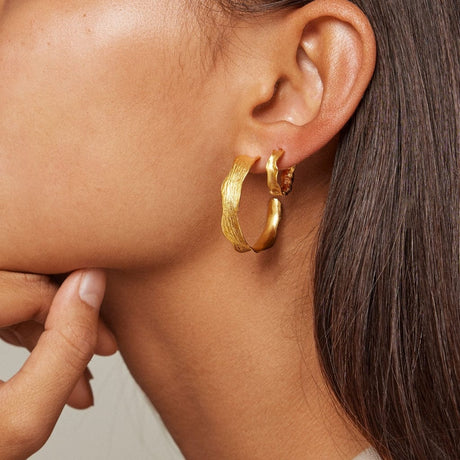
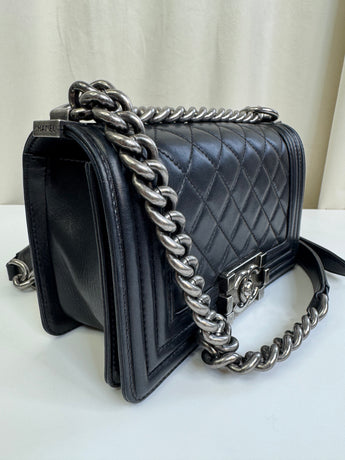
Once you have the shoes sorted, it's often the bag and jewelry that determine whether the look lands as everyday or party. A simple bag and discreet earrings keep the expression calm, while a statement bag or a preloved luxury model elevates the entire outfit, without needing to change your shoes.
Heel height, toe room, and sole: what you'll feel after a full day
Heel height, toe room, and outsole are the three major comfort markers in women's shoes. The higher the heel, the more pressure is shifted towards the forefoot. This can be fine for shorter periods, but as a regular everyday solution, it's rarely the most foot-friendly choice.
The toe box is equally important. A narrow front can give an elegant look, but if your toes are squeezed together, the risk of irritation and soreness increases over time. If you love pointed shoes, look for styles where the point is long in design, but still has real room around the toes.
The sole is often overlooked. It should have grip, reasonable stability, and flexibility in the right places. Too stiff is not good, too flimsy is also not good. A wider heel and a firm insole are usually a positive sign, no matter what type of women's shoe you're looking at.
How to tell it's time for new women's shoes
Replacement isn't just about wear and tear, but about function. If a loafer, pump, or sneaker loses its shape, grip, or support, it often starts to look fine on the shelf but feels wrong on your foot.
The clearest sign is rarely a hole. It might be a heel counter that gives way, a sole that's worn unevenly, or a shoe that suddenly presses in the same spot every time. If you're changing your gait to compensate, the shoe is no longer a good match. Also, keep an eye on whether the material has become so soft that your foot slides around, or so dry that the shoe no longer molds properly. A good leather shoe can often be refreshed with care and new insoles, but when the basic construction is tired, styling won't help much.
The classic signs are:
- uneven wear on the heel or forefoot
- slippery outsole with poor grip
- pressure on toes, little toe, or arch
- the shoe slips off, even if the size previously fit
- new discomfort after short periods of wear
If your women's shoes make your feet tense after half an hour, even if they look fine, it's usually time to make room for new ones. The best pairs in your closet are the ones you grab without thinking, because you trust them, and with a curated selection of women's clothing, shoes, bags, and jewelry all in one place at Stilkompagniet, it's easy to find that next pair that becomes exactly that.
Frequently Asked Questions
What types of women's shoes can you wear all year round?
At Stilkompagniet, we particularly highlight loafers, sneakers, and ankle boots as the trio that offers the most outfits and the fewest bad purchases. Supplement with ballet flats, Chelsea boots, low pumps, slingbacks, strappy sandals, mules, or lace-up shoes, depending on your daily life.
How do I find women's shoes with a good fit?
Try the shoes on late in the day, when your foot is most expanded, and check that there's a little air in the toe box. Also test them on a hard floor to feel if the heel and forefoot are stable, and look for an outsole with good grip.
Leather, suede, or textile, which is best for women's shoes?
Leather provides shape stability and a more elegant look and is easier to maintain than suede, which in turn feels softer and more luxurious. Textile and mesh are lightest and most breathable but offer less structure than leather.
When is it time to replace your women's shoes?
Look for uneven wear, a slippery outsole, pressure on your toes or arch, or if the shoe slips off, even if the size previously fit. If your feet start to tense up after half an hour of wear, the shoe has usually served its purpose.


